
Travel Guide
The Skyscraper Resort That Just Changed Punta Cana Forever

Dec
It wasn’t only a vibe—it was the legislation. The authorities formally promised that no constructing on the shoreline would ever exceed 4 tales (the peak of a coconut tree).
This authorized assure is precisely what saved Punta Cana from changing into one other Cancun or Miami. It stored the skyline low, the vibe tropical, and the concrete hidden behind the palms.
But in case you drive north in direction of Macao Beach as we speak, you will notice one thing that stops visitors.
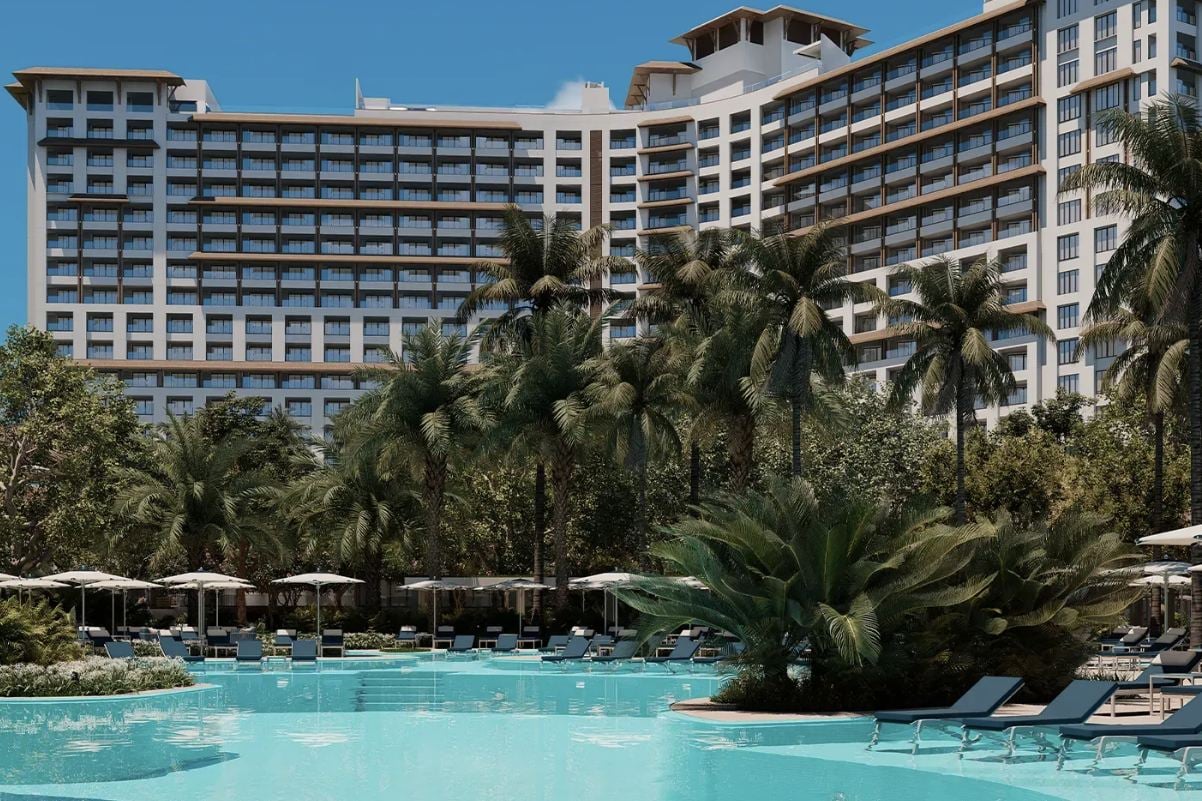
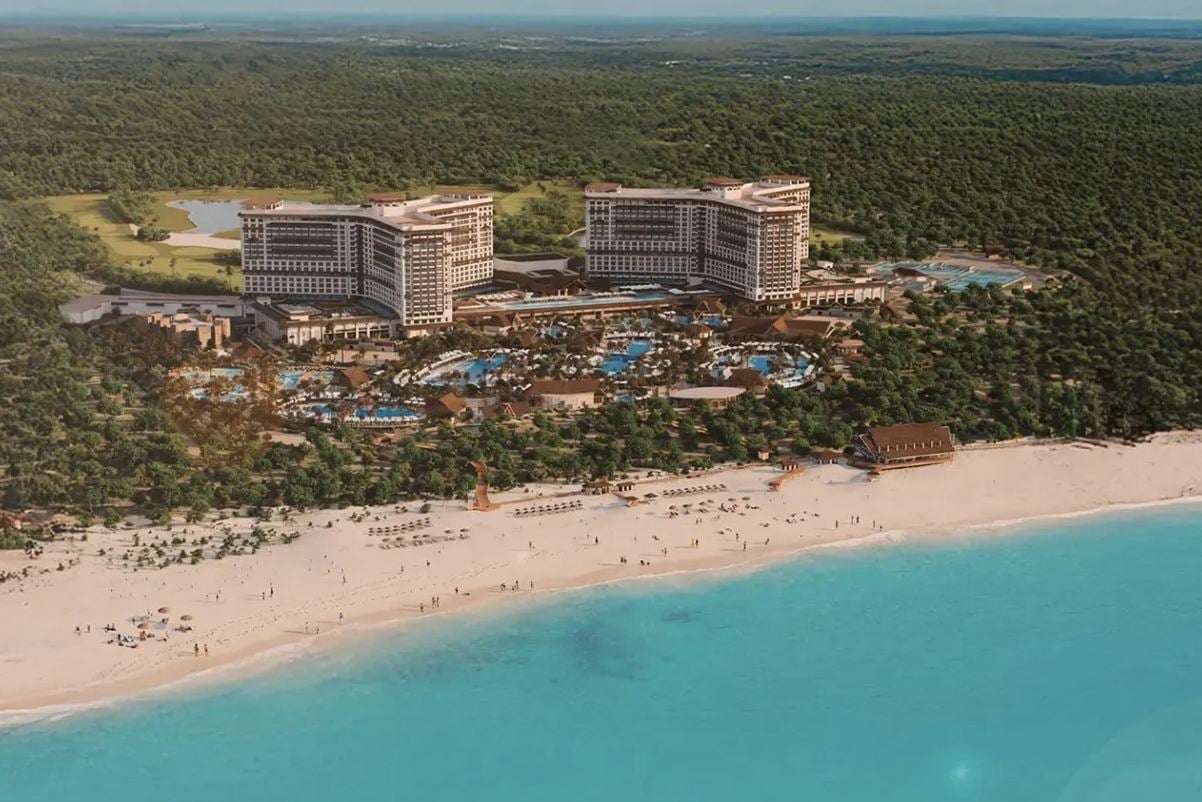
Rising out of the jungle is an enormous, 18-story tower that transforms the skyline. This is the brand new Moon Palace Punta Cana, and its existence has sparked a fierce debate about the way forward for the island.
How did it occur? In 2017, the federal government handed a brand new legislation, overturning their guidelines to permit this particular mega-project to go vertical.
Is this the start of a contemporary, luxurious period for the DR? Or is it the top of the island allure all of us fell in love with?
Here are either side so you’ll be able to determine for your self.
Criticism: The Impact on Local Character
For the “Old Guard” of Punta Cana, the difficulty is not simply how the constructing seems to be—it’s the way it feels to remain there.
1. The “Concrete Wall” Effect While the rooms do have balconies, the design is a radical departure for the DR. Unlike the hidden, thatch-roof bungalows of conventional Punta Cana, these towers rise like large white cliffs above the tree line. Critics argue that seeing a 18-story concrete grid from the sand creates a “psychological disconnect”—as a substitute of feeling immersed in nature, you’re feeling dominated by the structure. It’s the distinction between a seaside hut and a metropolis resort.
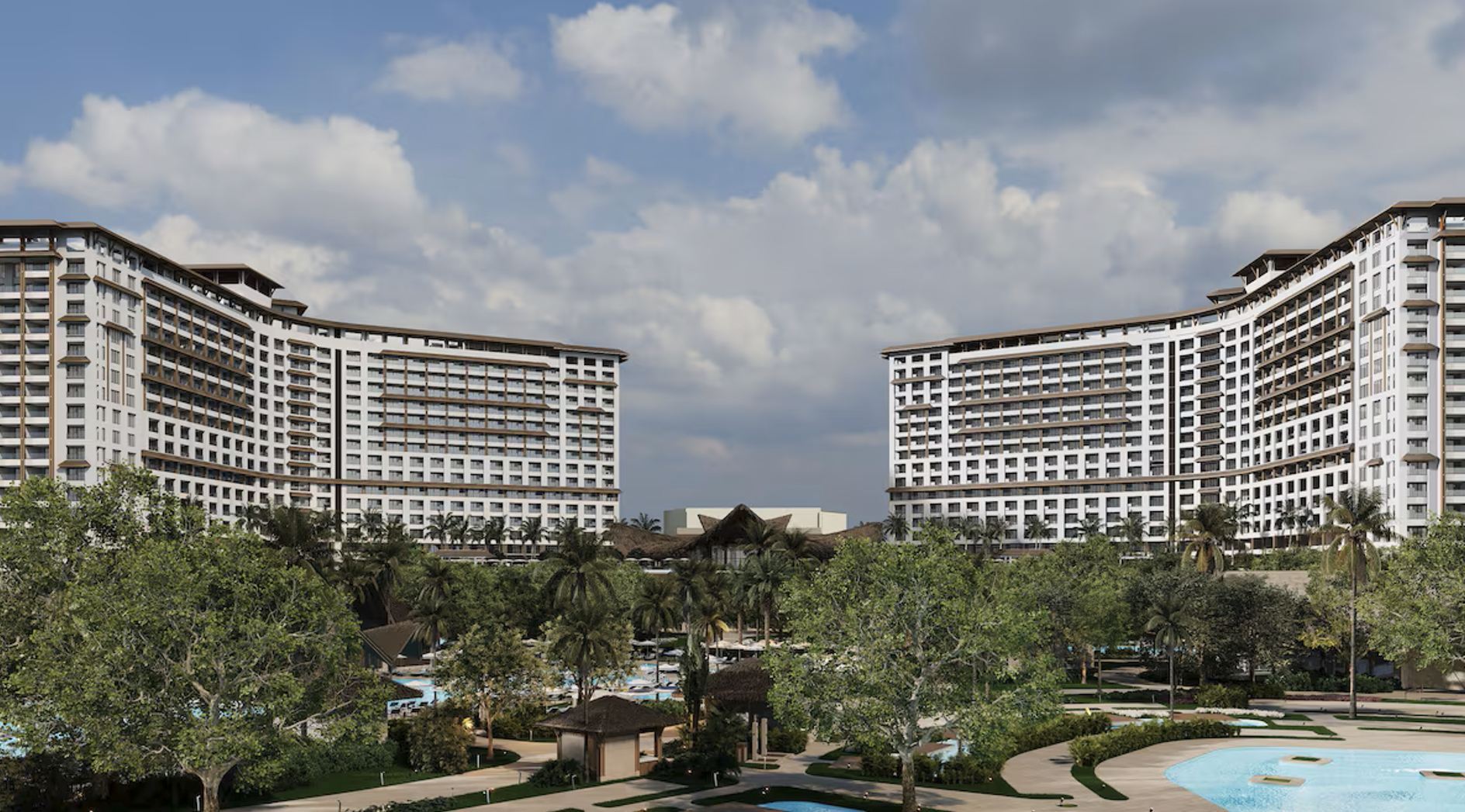
2. Density and The “Vegas” Vibe Verticality means density. When you stack 2,000 individuals right into a single tower footprint, you lose the “spread out” feeling of a tropical resort. The pool decks really feel extra crowded, the foyer feels louder, and your entire vitality shifts from “laid-back island” to “high-energy Vegas.” It feels much less like a nature retreat and extra like a cruise ship that by no means leaves the port.
3. The Slippery Slope Now that the loophole has damaged the seal, what stops the following developer from asking for 25 tales? Many concern that in 10 years, the Bavaro shoreline will seem like a wall of concrete, blocking the ocean breeze and the dawn for everybody else.
The Strategy: Why Go Vertical?
On the opposite facet, the builders (The Chapur household) and authorities officers argue that the outdated legal guidelines had been outdated and that going vertical is definitely higher for the setting.
1. The “Footprint” Logic
This is the strongest argument for the tower. If you need to construct 2,171 rooms, you may have two selections:
- Option A (Horizontal): You bulldoze 500 acres of jungle to unfold low-rise buildings out (city sprawl).
- Option B (Vertical): You construct one tall tower on 10 acres and go away the opposite 490 acres as untouched mangrove and jungle. The builders argue that by increase, they’re really preserving extra nature on the bottom degree.
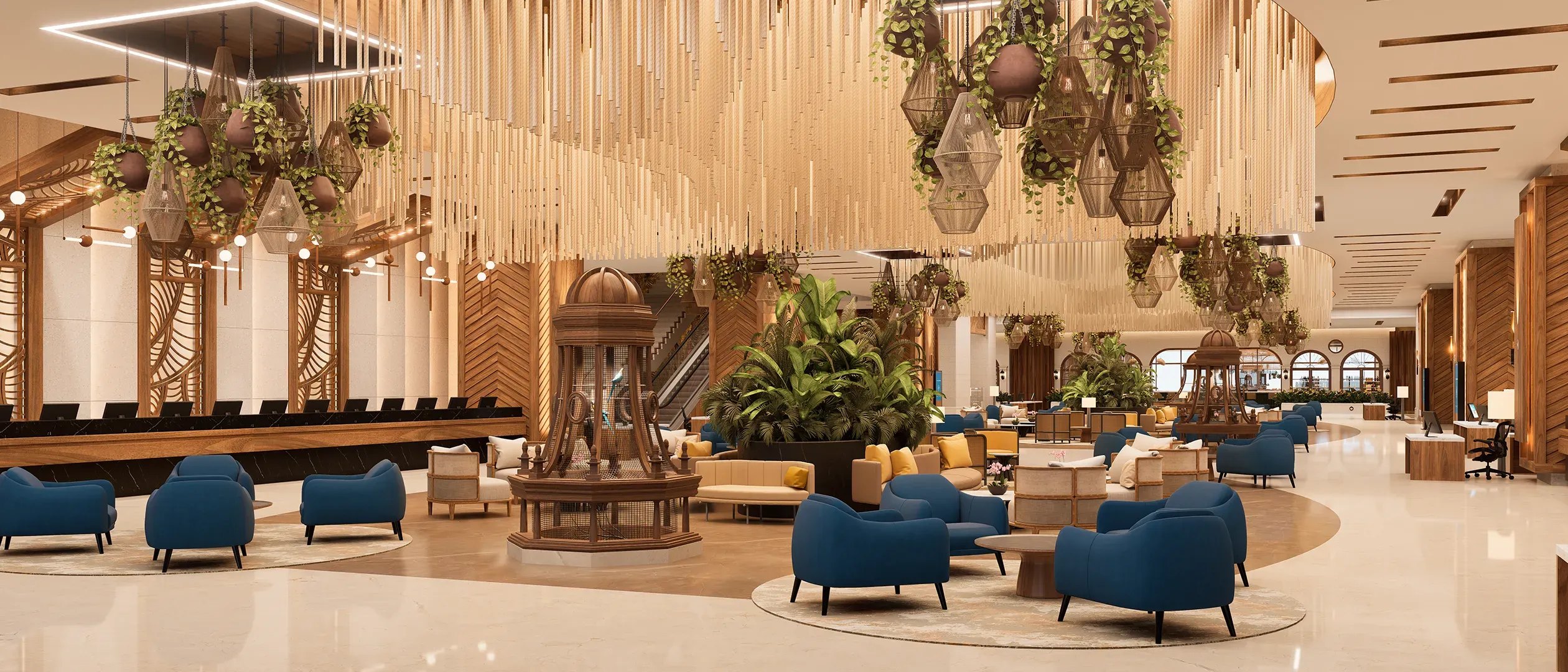
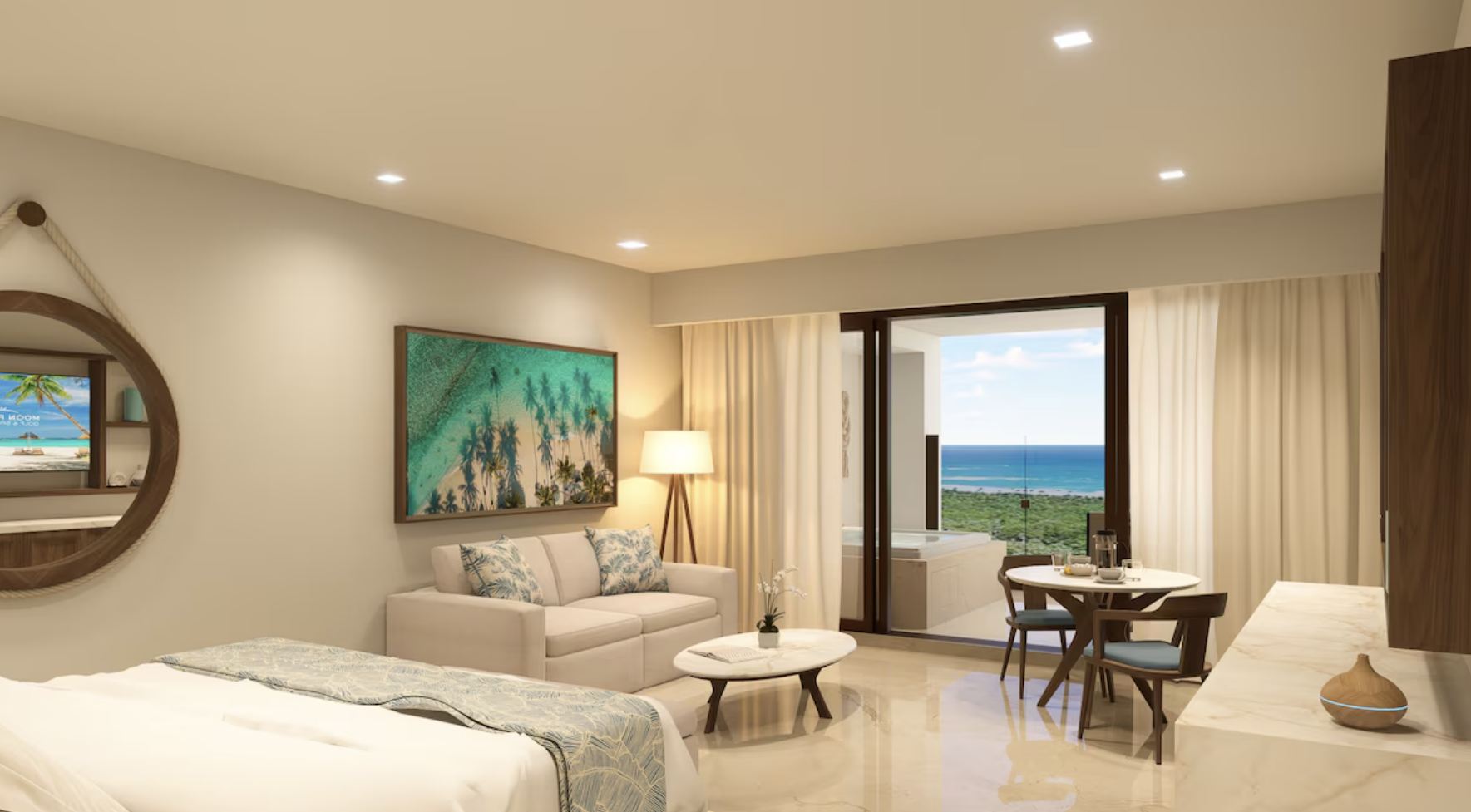
2. Modern Travelers Want Views Let’s be sincere: luxurious vacationers love a view. In a standard Punta Cana resort, solely the entrance row will get an ocean view. In an 18-story tower, everybody will get a panoramic view of the Caribbean. Proponents argue that to compete with Dubai, Mexico, and Hawaii, the DR wants to supply this sort of trendy “high-altitude” luxurious.
3. The Economic Reality The Moon Palace challenge is an enormous financial engine. It brings 1000’s of jobs, high-end tourism {dollars}, and elevates the “Macao” area from a sleepy surf spot to a luxurious vacation spot. For a growing nation, saying “no” to a billion-dollar funding due to an outdated zoning rule is a tricky promote.
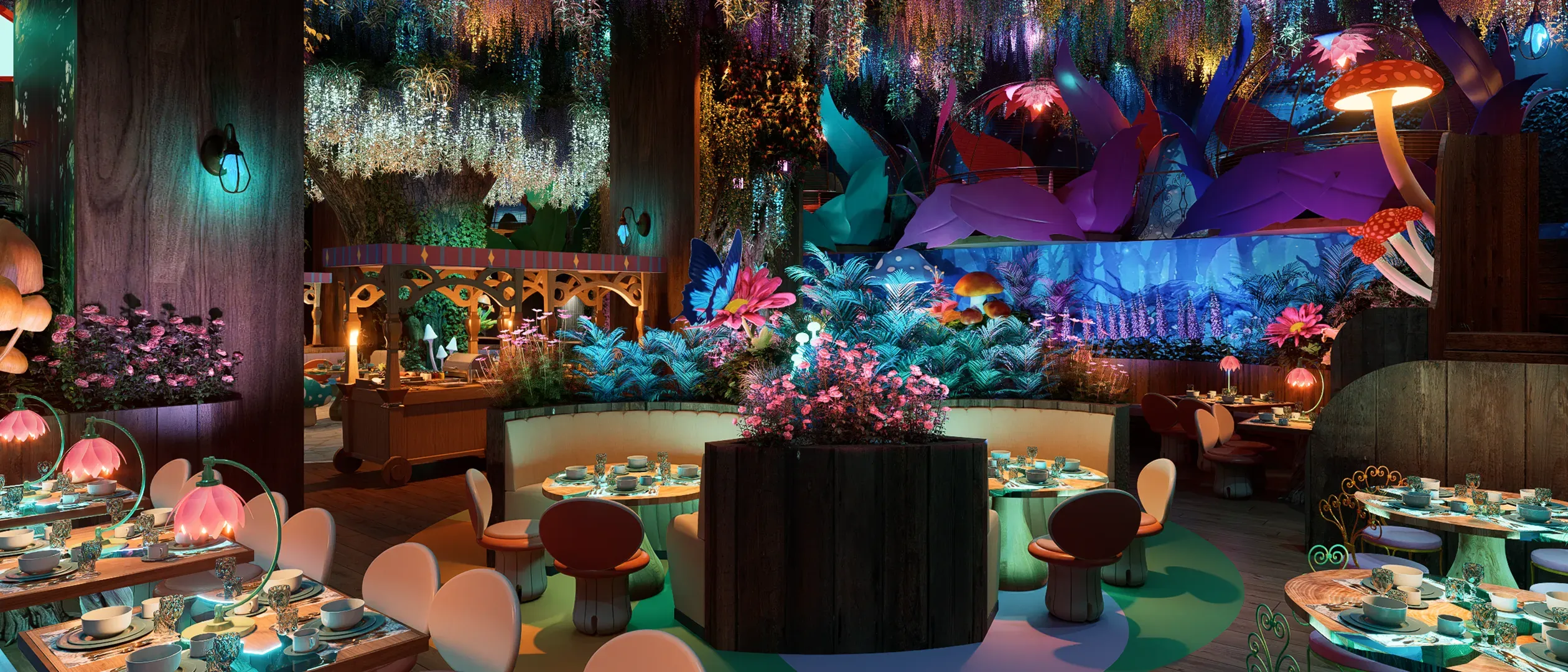
One factor is for sure: whatever the debate, the tower goes to be full. Moon Palace has constructed one of the loyal followings within the journey business, with 1000’s of devoted followers who refuse to trip wherever else. For these vacationers, the “Palm Tree Rule” issues far lower than the constant, high-end luxurious service the model is known for in Mexico and Jamaica. If you might be one in all them, get your calendar prepared—reservations for this game-changing property officially open on June 1, 2026.
What Travelers Can Expect
The tower is constructed. The debate over whether or not it ought to exist is over. The actuality is that Punta Cana is evolving.
It is not only a sleepy village of thatch-roof bungalows. It is a tourism superpower.
The existence of the Moon Palace does not essentially wreck the vacation spot; it simply provides a alternative.
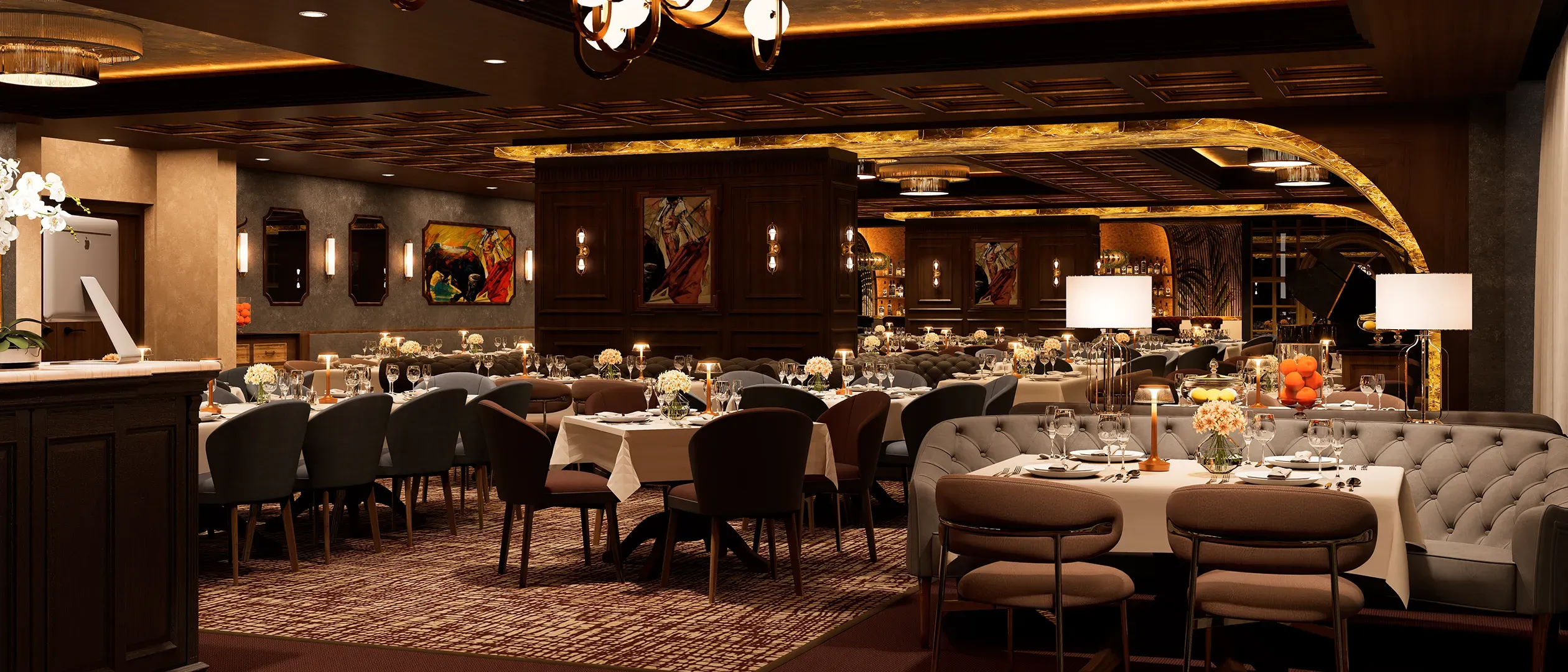
- If you need the traditional, low-rise, hidden-in-the-jungle vibe? You nonetheless have 95% of Punta Cana.
- If you desire a Miami-style mega-resort with 18th-floor sunsets and high-energy luxurious? Now, you may have Macao.
The skyline has modified ceaselessly. Whether that is a scar or a badge of progress relies upon fully on whether or not you like the sound of palm timber or the hum of a high-rise.
🌴 The “Palm Tree Rule” Quiz
For 40 years, Punta Cana had a strict legislation about constructing heights. Do you recognize what the utmost restrict was once?
The Travel Off Path Advantage: Your Travel Toolkit
Subscribe To Our Latest Posts
Enter your electronic mail tackle to subscribe to Travel Off Path’s newest breaking journey information, straight to your inbox.
