
Travel Guide
The 2,000-Year-Old Roman City That Costs 50% Less Than Madrid (And Has No Overtourism)
Aug
Had sufficient of the Madrid and Barcelona clichés? Those 2 cities are most likely the place 90% of Spain-bound guests from the U.S. will land, and delightful as they could be, they’re removed from being the perfect the Iberian nation has to supply.
As a matter of reality, until you’re superb with passing a brand new ‘Tourist Go Home’ graffiti each couple of meters, or worst-case state of affairs, getting chased down the road by water pistol-waving, indignant locals when the subsequent livid mob begins gathering, perhaps you must give these a miss altogether.
This different Spanish metropolis has all the traditional appeal of Barcelona and the architectural grandeur of Madrid, besides it’s but to be found by most vacationers… and much more inexpensive to go to:
The Original Mérida
Founded as an outpost of the Roman Empire, Mérida is one among Spain’s final cultural heavyweights that haven’t absolutely succumbed to the overtourism craze.
And sure, it shares a reputation with that one colorful historic town you visited in Mexico as a day journey from Cancun, however a shared colonial historical past apart, the comparisons finish there. The Spanish Mérida is much extra historic, and arguably extra fascinating.
Its historical past formally begins within the yr 25 BC, when Emperor Augustus constructed the city as a retreat for retired Roman troopers, and it shortly grew to become one of the crucial outstanding cities in then-Roman Hispania.
For that cause, you’ll discover a unprecedented focus of well-preserved Roman landmarks, all packed inside a single compact, walkable Historic Center.
Think Rome, however with out the thrill of the Colosseum crowds.
Before we proceed, if you happen to’re heading to Europe this summer time, ensure you’re up to the mark with the journey guidelines that apply to U.S. passport holders on the Entry Requirements Checker.
Rome’s Daughter Gone Astray
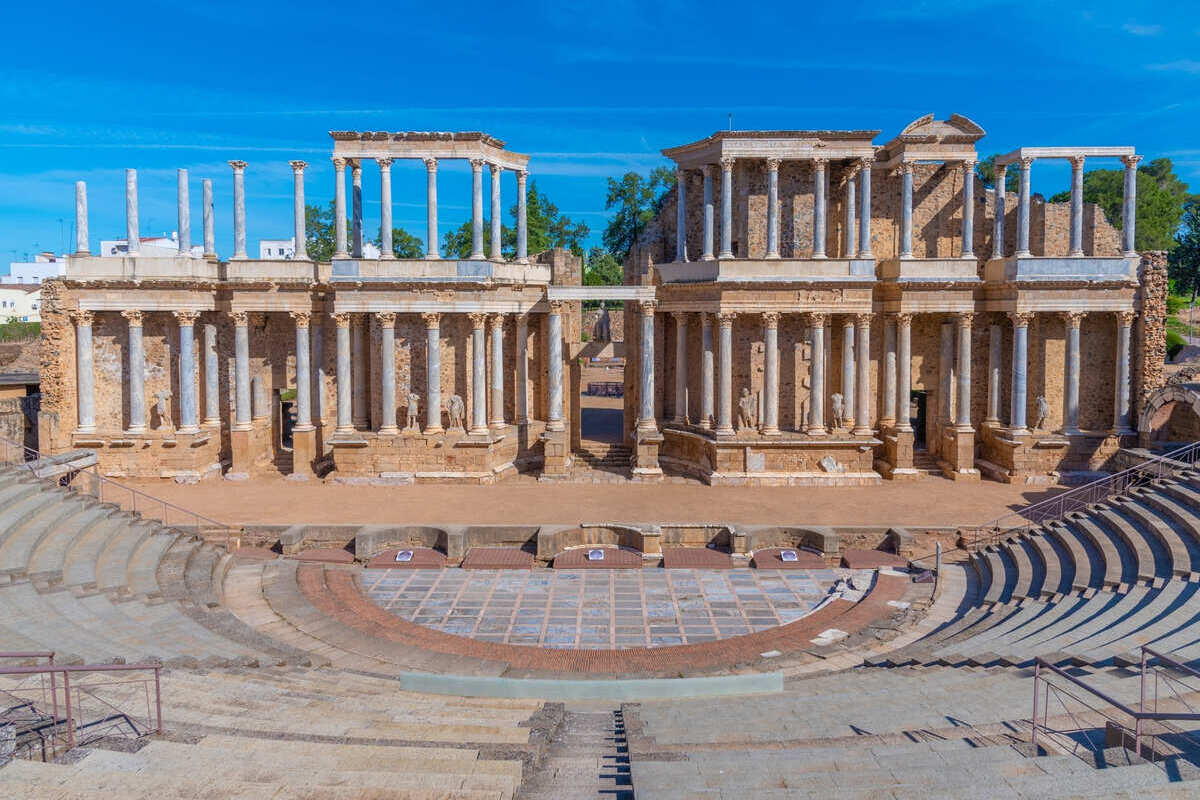
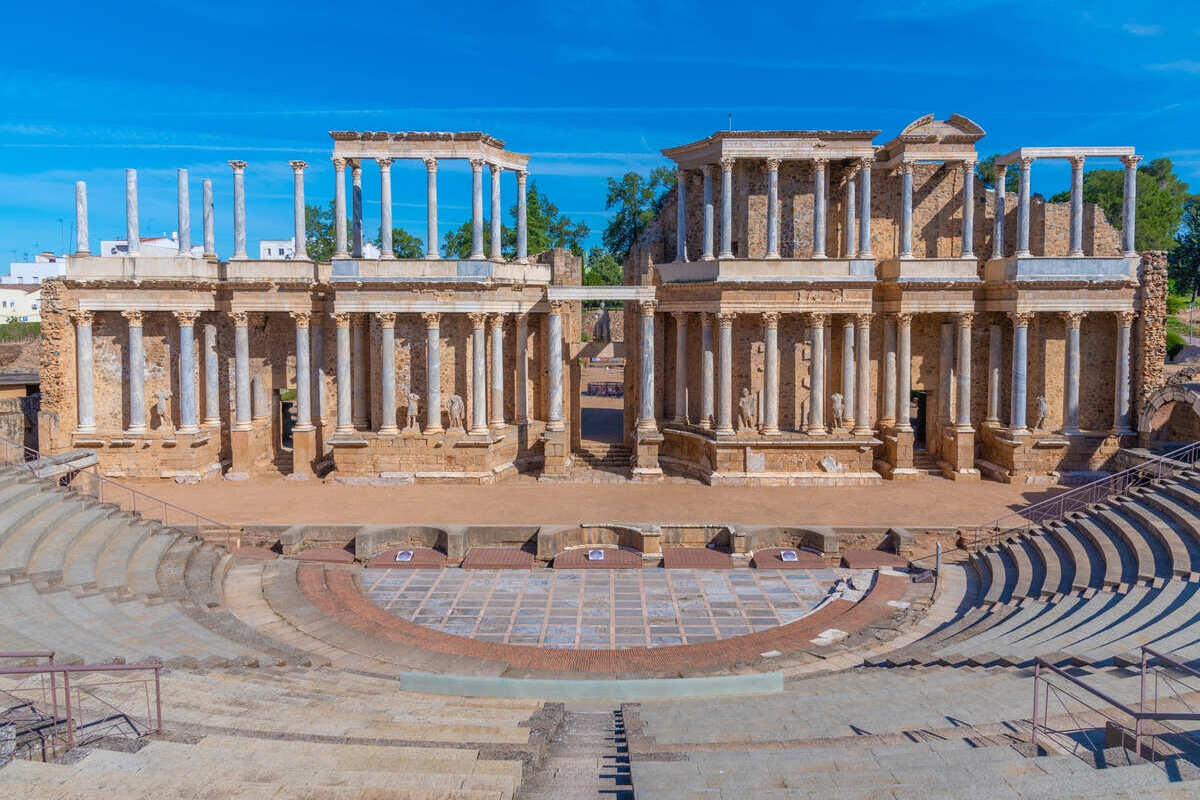
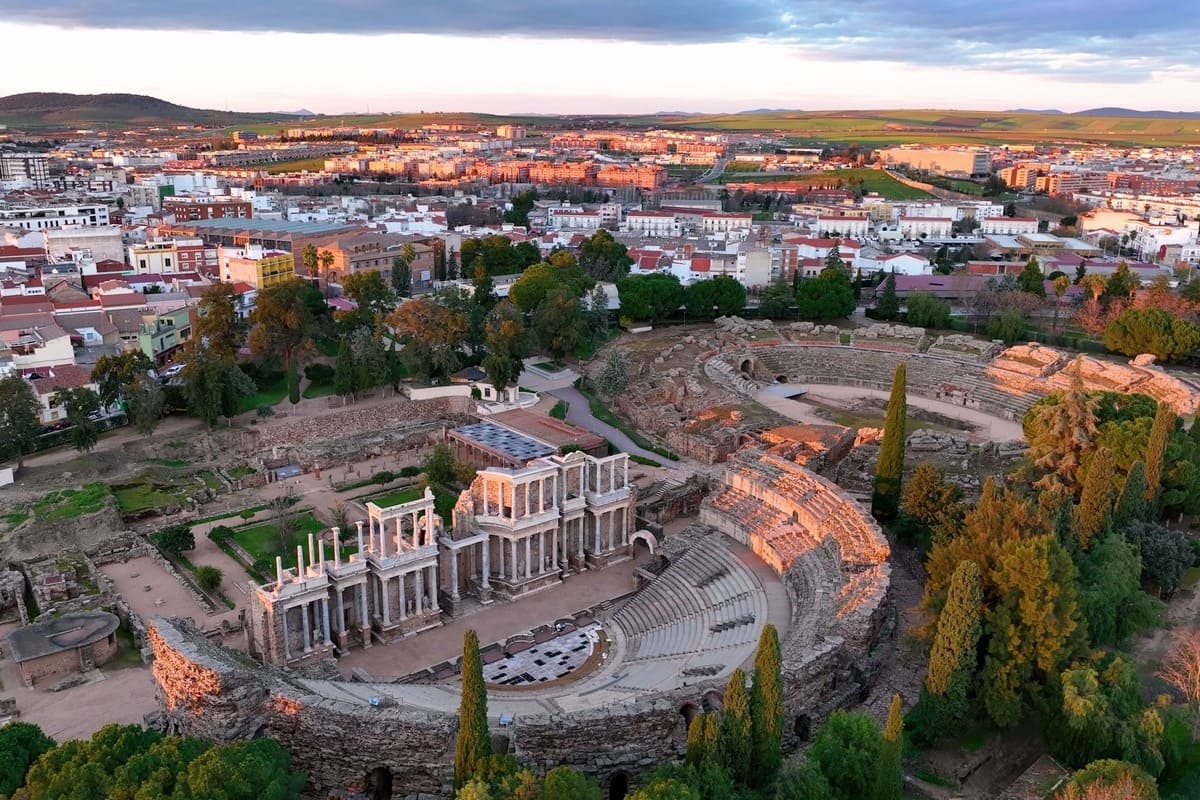
The Roman Theater of Mérida is among the many most interesting surviving constructions of the Roman interval anyplace on the earth: constructed over 2,000 years in the past, it’s so strong it nonetheless hosts performances each summer time, in the course of the well-known Classical Theater Festival.
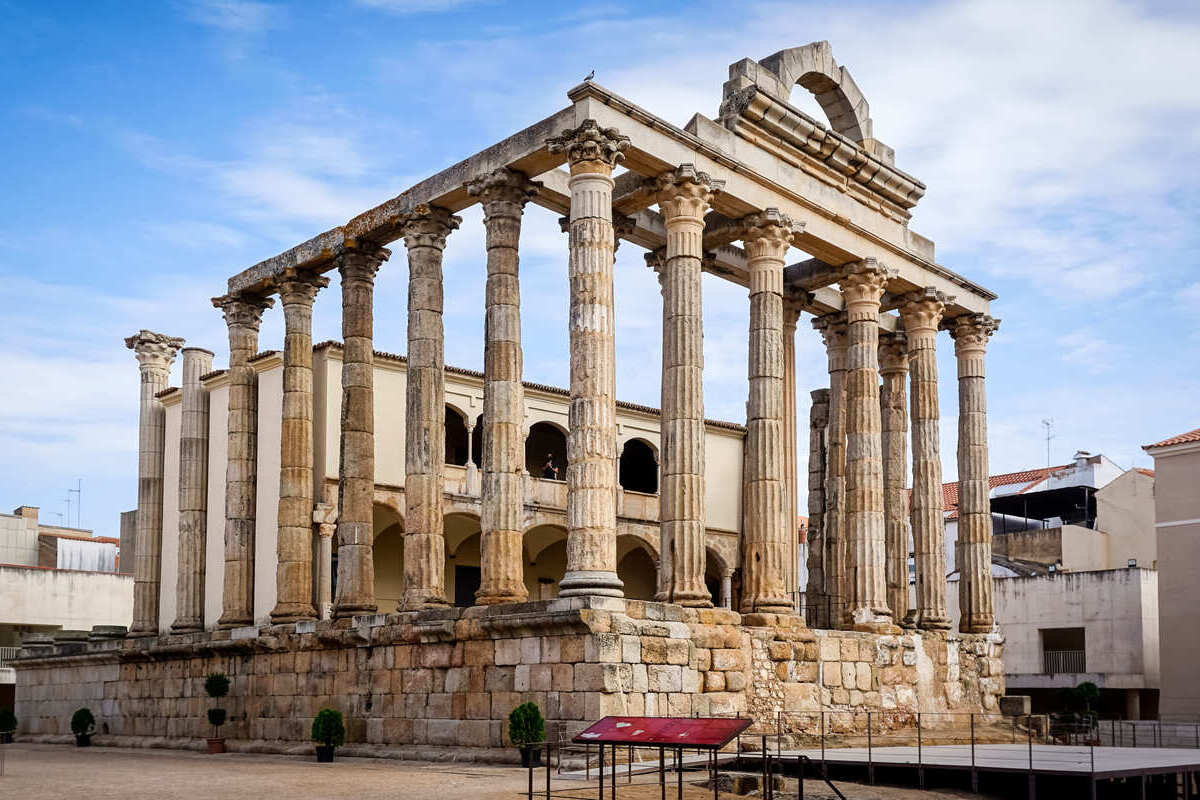
Only steps from the theater, the Temple of Diana remains to be exceptionally preserved, sitting proper in the midst of the trendy metropolis, surrounded by cafés and eating places.
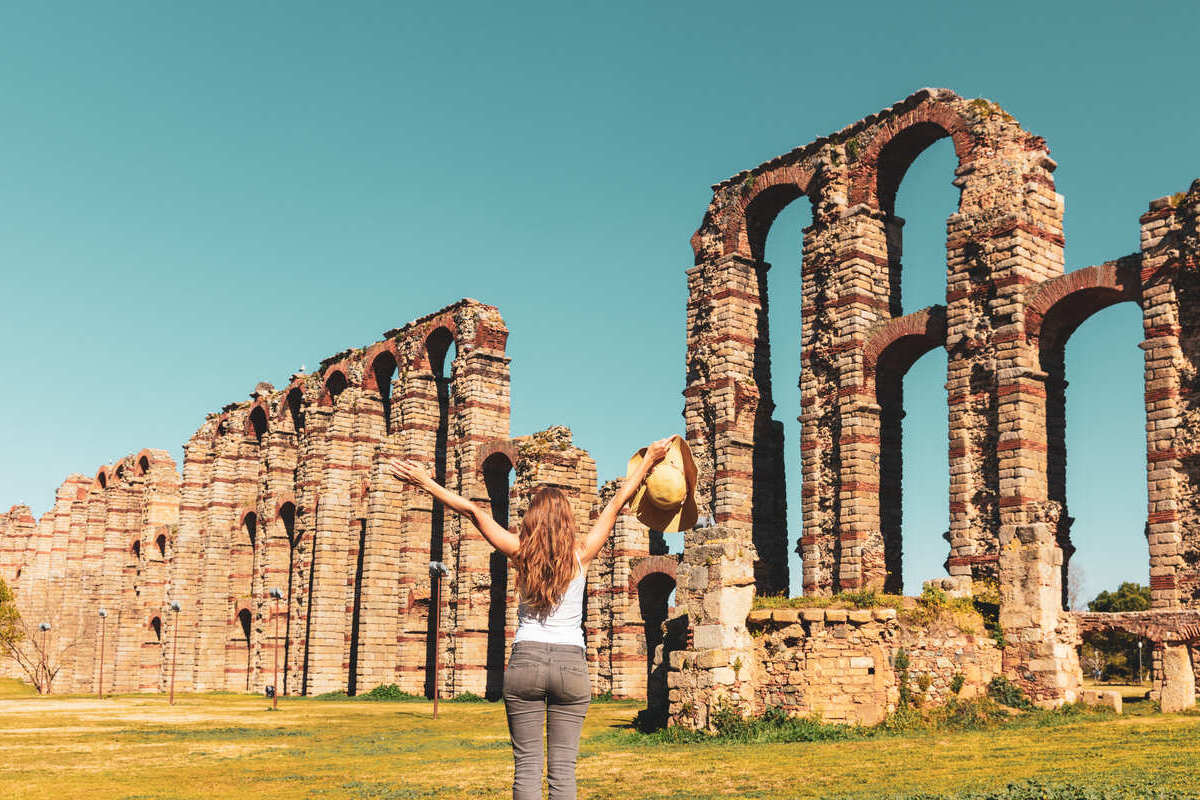
Elsewhere, the Aqueduct of the Miracles is a three-level, 1st-century AD marvel towering over a public park, with arches reaching practically 80 ft excessive. People are free to roam across the park, and plenty of use it as a picnic and recreation space.
Yes, life in Mérida remains to be fairly lowkey and chill, particularly whenever you consider the utter chaos that’s unfolding on the Spanish coast. No menacing anti-tourist art to be seen anyplace, and on the security entrance, far-lower ranges of pickpocketing and road crime.
This is a medium-sized metropolis with round 60,000 residents. In different phrases, it’s massive sufficient to have good public companies, however nonetheless small enough to retain that sturdy sense of neighborhood misplaced in locations like Costa Brava and Costa del Sol.
Unlike Barcelona, Madrid, or Seville, Mérida doesn’t appeal to enormous crowds of worldwide guests, so opportunistic crimes are rarer.
Extremadura additionally has one of many lowest inhabitants densities in all of Spain, and we will all agree that largely rural areas expertise much less of the same old city pressures that plague cosmopolitan hubs.
A Living, Breathing UNESCO World Heritage Site
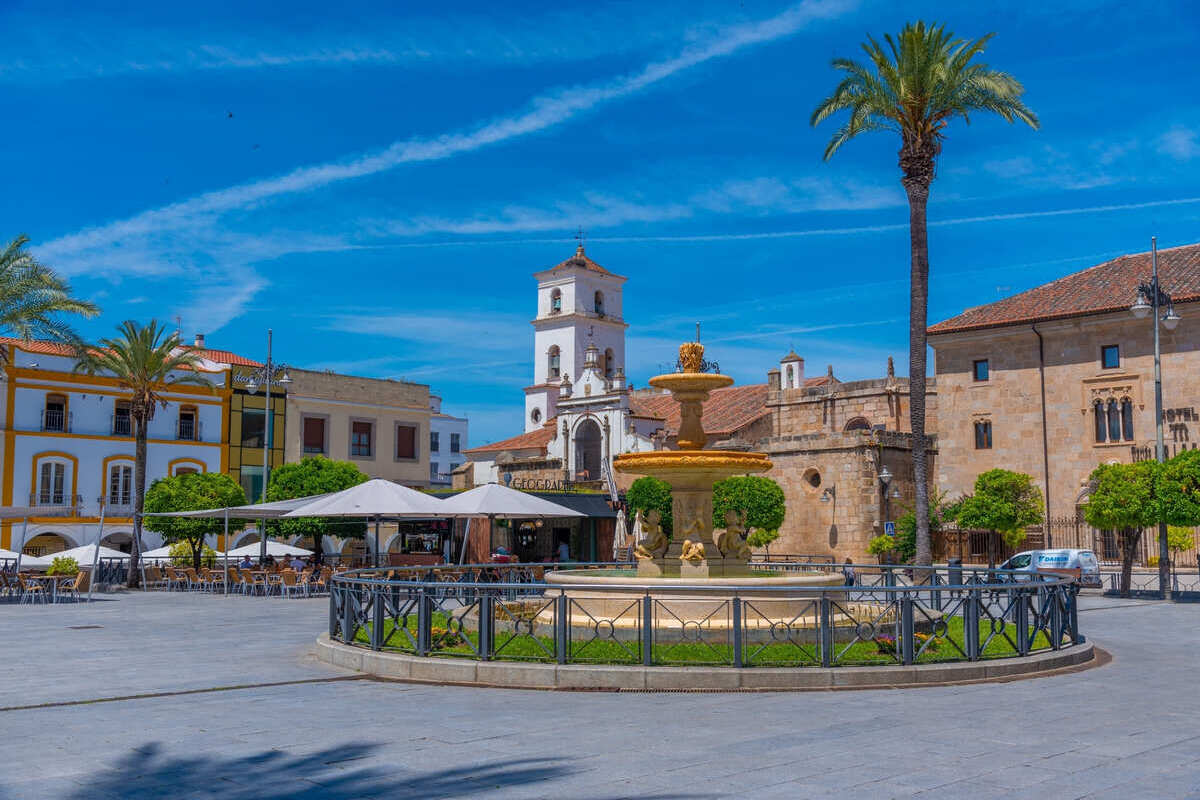
As you may need observed, the best factor about visiting Mérida is that, though it may properly be an open-air museum and archaeological website, it doesn’t really feel like an ensemble of remoted ruins scattered hither and thither.
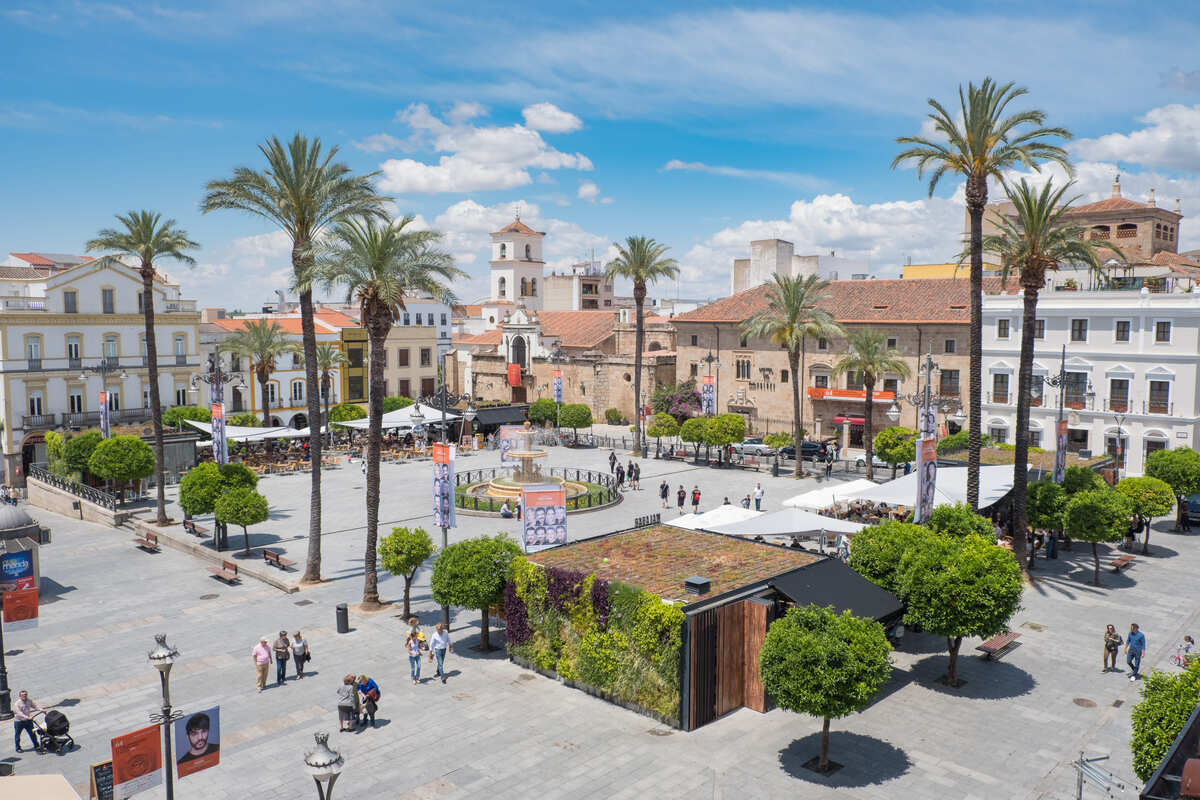
They’re really woven into on a regular basis life. You may stroll out of your lodge to dinner on the elegant Plaza de España, and simply casually go a 2,000 year-old-temple, or cross a millennia-old bridge Romans themselves used.
The entire metropolis’s a residing, respiratory UNESCO World Heritage Site.
Beyond the mind-blowing historic heritage, Mérida is the capital of Extremadura, one among Spain’s fastest-growing, and most underrated areas for meals, particularly for native cheeses and cured ham.

Oh, and in case you’re questioning, sitting down for a cheeky post-siesta tapas in a downtown taverna will barely dent your funds at round $10.
As it’s primarily a home vacation spot, mendacity some 40 miles away from the closest worldwide airport in Badajoz, Mérida is usually less expensive than the common Spanish hub largely frequented by rich Brits and Germans.
Here’s the way it usually compares:
- Tapas: $3–6 every (normally accompanied by a free small tapa with a drink at some bars)
- Casual lunch menu (menú del día): $13–18
- Dinner at restaurant: $20–35 per individual
- Coffee: $1.75–2.50
- Local beer: $2.50–4
- Glass of native wine: $2.50–4
Overall, it’s round 20–50% cheaper than Madrid, 30–50% cheaper than Barcelona, and 15–30% extra inexpensive than sure tourist-heavy areas of Málaga.
Accommodation is the place you’ll discover the most important financial savings. A snug 3 or 4-star lodge right here can typically value what a fundamental funds lodge would in Barcelona or downtown Madrid.
By the way in which, if you happen to’re searching for an genuine dinner spot to attempt that Extremaduran delicacies, add El Puchero de la Nieta to your listing: it’s a brief stroll from the Roman Theater, and you’ll order Iberian pork or huevos rotos with black pudding for lower than $20 per individual if you happen to persist with the native specialties.
Enter your electronic mail tackle to subscribe to Travel Off Path’s newest journey information, straight to your inbox

Source link
