
Travel Guide
The Inca Trail Climbs Over 13,000 Feet and Crosses Ancient Ruins—Here’s What It’s Like to Trek It in 4 Days
Sep
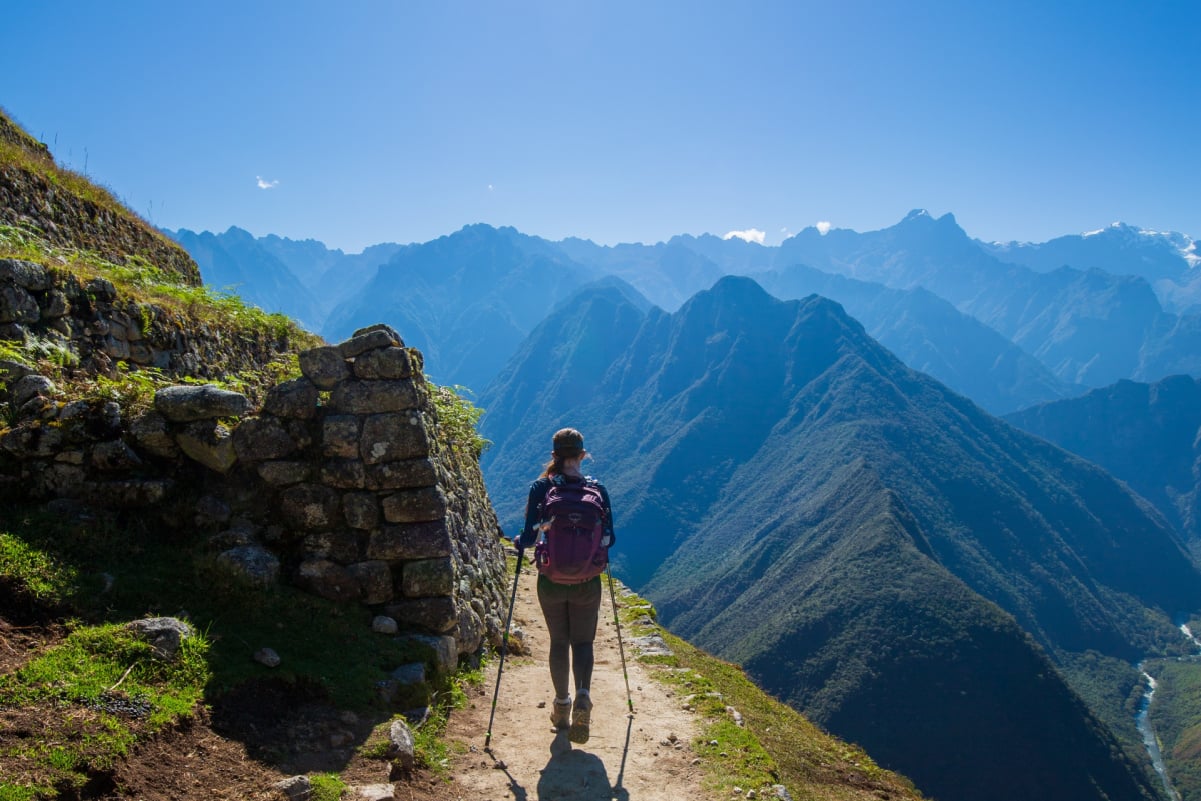
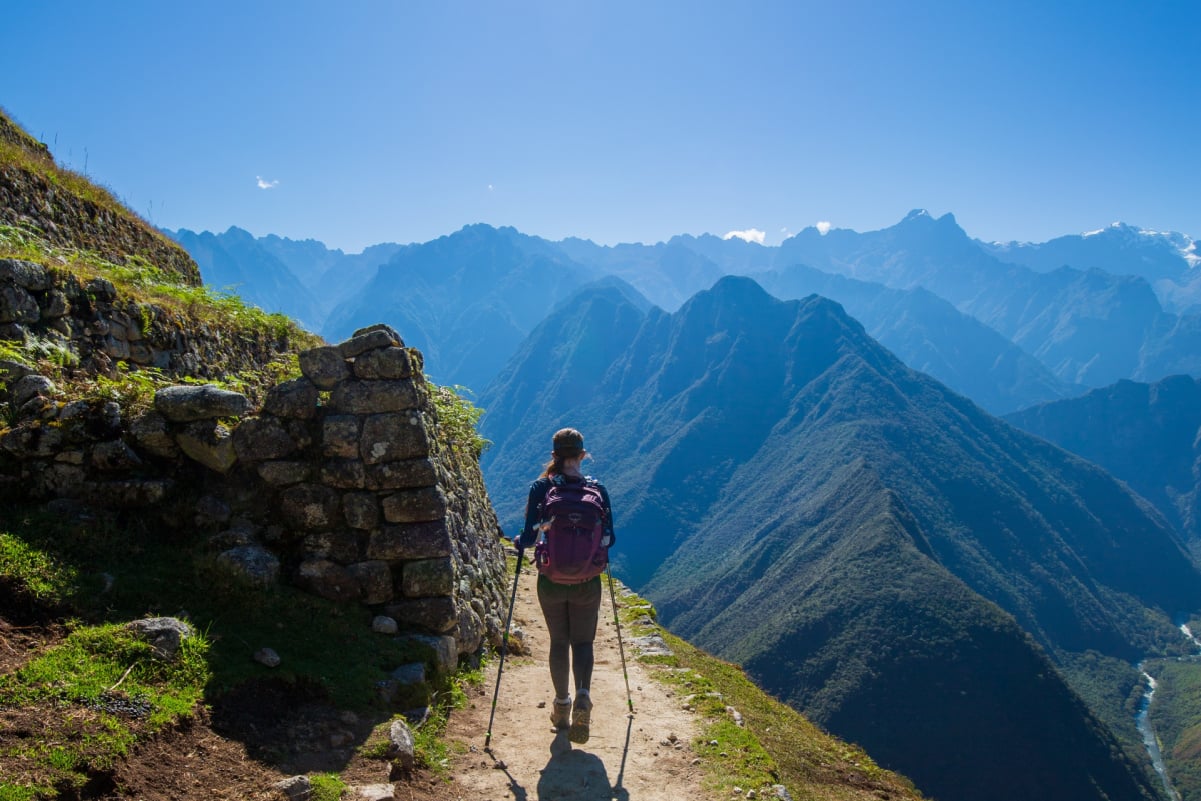
Standing at Kilometer 82, staring down the churning brown water of the Urubamba River, the numbers on the topographical map lastly turned a actuality. Ahead of my dad and me lay 26 miles of jagged Andean path, three high-altitude mountain passes, and 1000’s of uneven stone steps laid down by the Inca Empire greater than 5 centuries in the past.
When we determined to lastly deal with this legendary route this previous April, I knew it wasn’t going to be an off-the-cuff stroll in the park. I spend my weekends again dwelling in Louisville path working and mountaineering, however the Andes demand a wholly totally different stage of respect. Leaving my spouse Liz and our golden retriever behind for a few weeks, my dad and I flew south to Peru.
We deliberately handed the advanced net of path permits and camp logistics over to the group at Inca Expert Travel so we might focus strictly on the bodily grind forward of us.
Over 4 days, the Classic Inca Trail strips away the noise of the trendy world, buying and selling it for skinny air, burning lungs, and a number of the most staggering archaeological websites on the planet.
If you might be debating whether or not to take the snug vacationer practice or lace up your mountain climbing boots, right here is the unfiltered actuality of what it truly takes to hike the Inca Trail.
The Prep: Adjusting to the Altitude
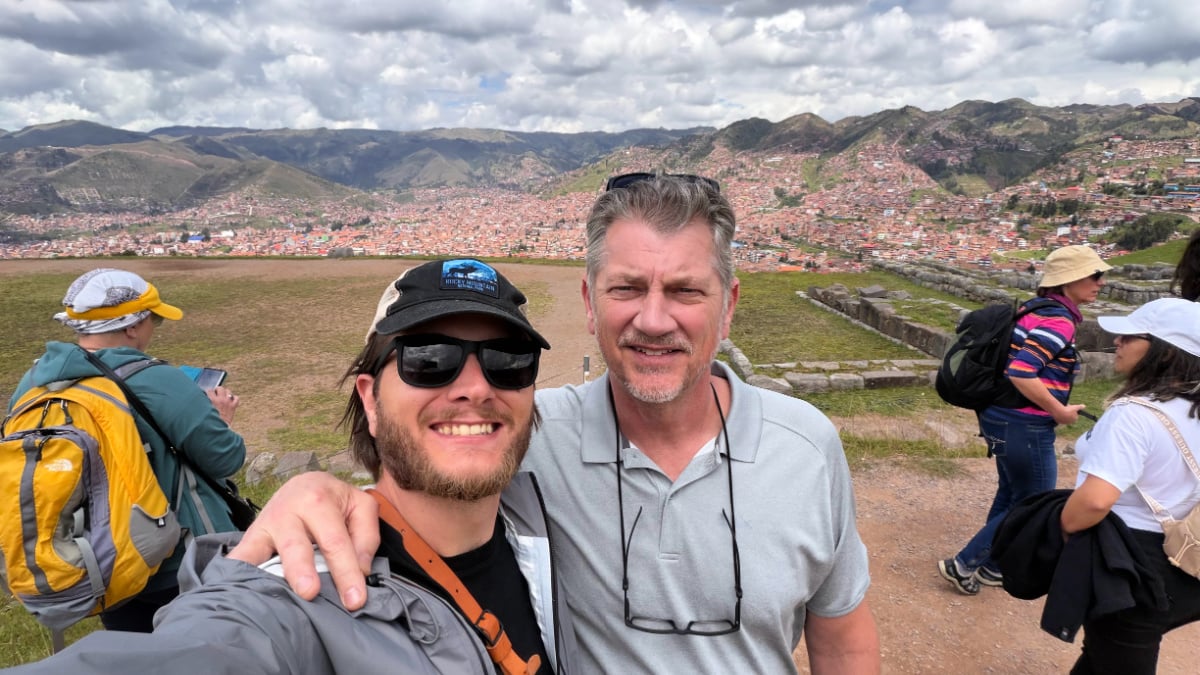
You can’t step off a airplane and instantly begin mountain climbing the Andes. Before we even reached the trailhead, we had to get our our bodies prepared for the dearth of oxygen.
- The Flight Logistics: We flew from Louisville down by Atlanta, touchdown in Lima earlier than taking a fast jumper flight up to Cusco.
- The Acclimatization: Cusco sits at a staggering 11,150 toes above sea stage. We spent three full days wandering the steep cobblestone streets, ingesting native coca tea, and letting our purple blood cell counts regulate. Skipping this step is the quickest manner to assure extreme altitude illness on the path.
Note From The Editor
Just one sec! If you take pleasure in studying nice human-written articles, the easiest way to see a couple of extra is to follow us on Google so we grow to be one in every of your most well-liked web sites. Thank you a lot for studying. Now again to the story!
Day 1: The Deceptive Warm-Up (KM 82)
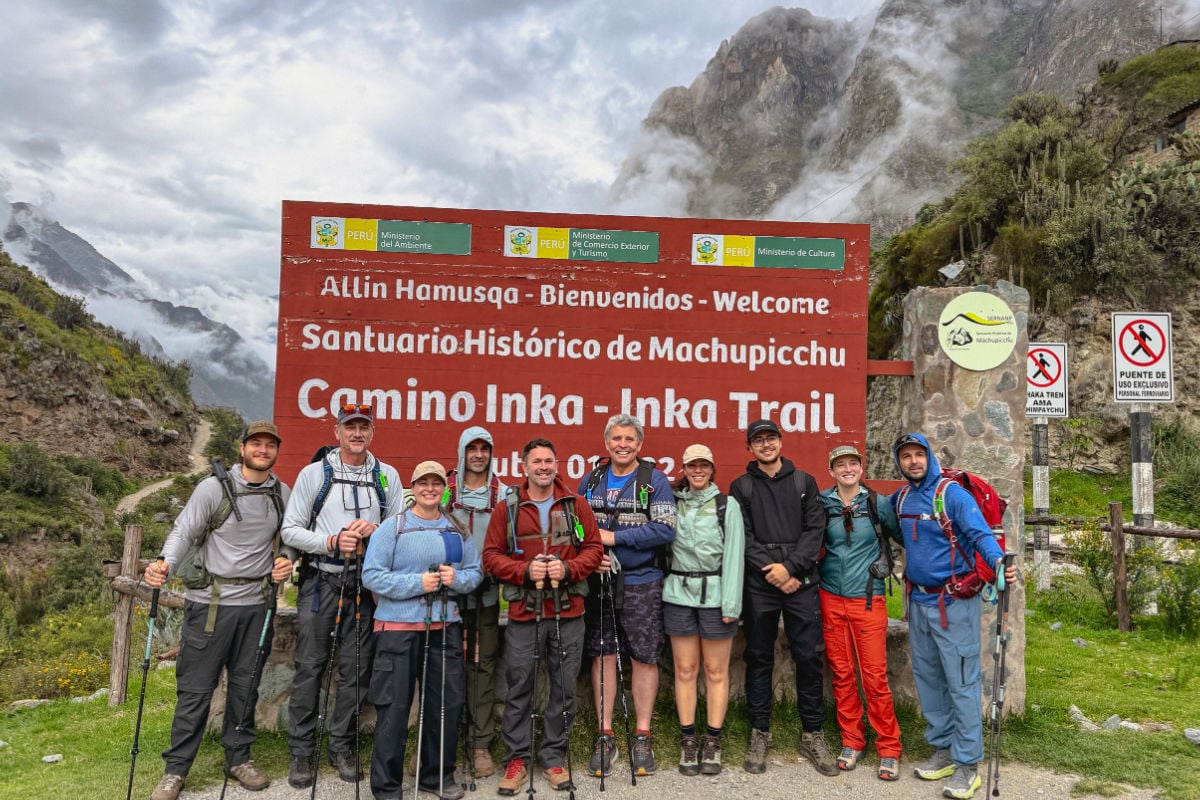
The first day of the trek is designed to ease you into the rhythm of the path, however you might be nonetheless logging roughly six to seven hours of stable mountain climbing.
Crossing the suspension bridge over the Urubamba River, we entered a dry, dusty valley lined with huge cacti and towering eucalyptus timber. The path is generally rolling hills, supplying you with time to regulate to your daypack. The spotlight comes a couple of hours in when the path opens up to reveal Patallacta—a large archaeological website that includes sweeping, curved stone terraces carved straight into the hillside. It is your first actual style of the engineering genius you’ll be strolling throughout for the subsequent three days.
As the solar dipped behind the jagged peaks, the temperature plummeted immediately, and we settled into our first campsite, resting up for the crucible of day two.
Day 2: Surviving Dead Woman’s Pass
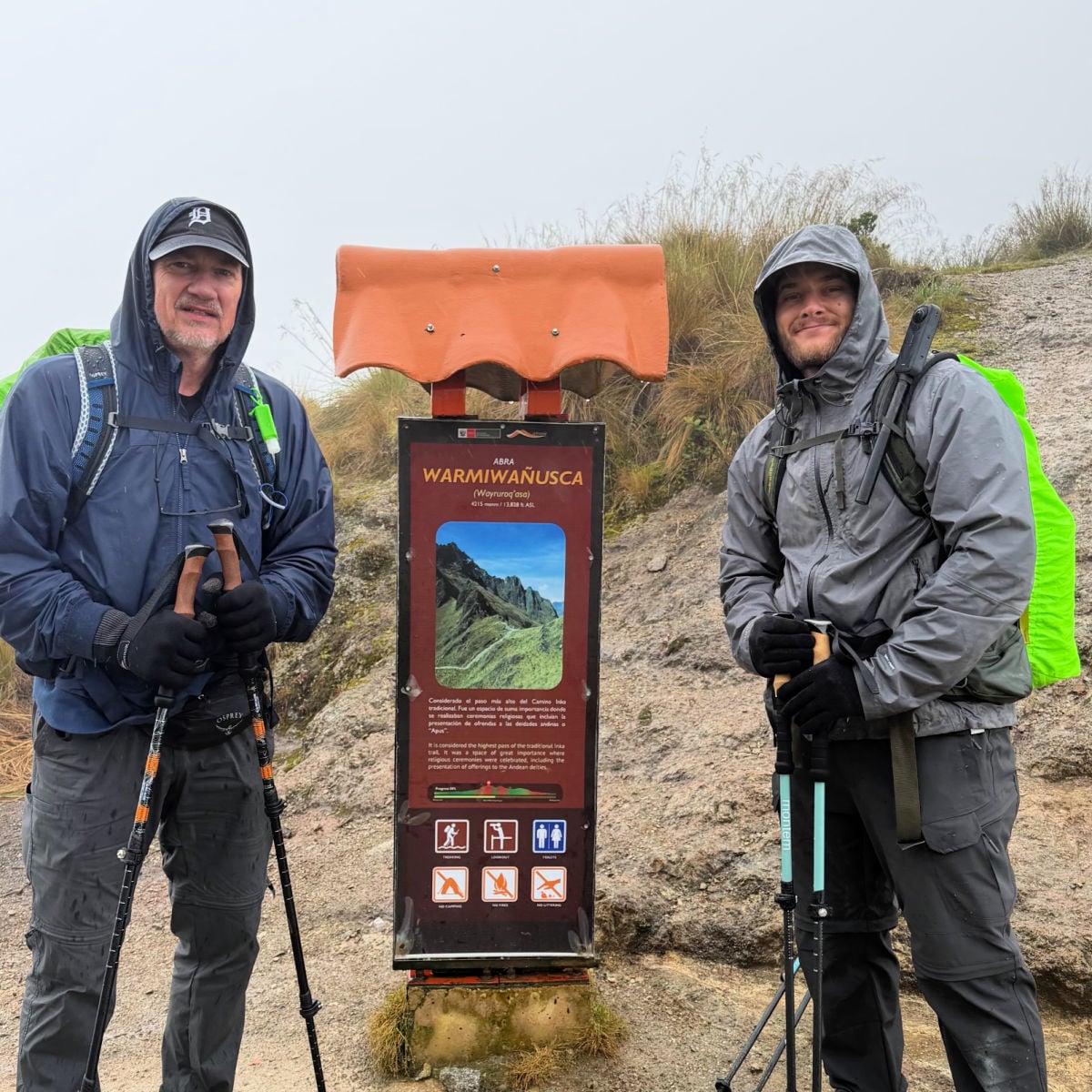
In each Inca Trail itinerary, day two is universally circled in purple marker. It is a relentless, vertical ascent that checks your lungs, your quads, and your sheer willpower.
- The Climb: You spend all the morning ascending towards Warmiwañusqa, infamously referred to as Dead Woman’s Pass. It is a grueling, countless staircase of rough-hewn granite.
- The Physical Toll: The move peaks at 13,828 toes (4,215 meters). At this elevation, the oxygen ranges are drastically decrease. Every step looks like you might be mountain climbing with a heavy weight strapped to your chest.
- The Strategy: I watched my dad methodically work his manner up the switchbacks, using the “Inca Pace”—a gradual, rhythmic, unbroken shuffle. We didn’t cease for lengthy breaks; we simply stored transferring at a snail’s tempo to maintain our coronary heart charges regular.
When we lastly crested the summit, standing in the freezing, swirling grey mists, the sense of shared accomplishment was huge. But the day wasn’t over. We instantly had to endure a steep, two-hour descent down 1000’s of jagged stone steps into the Pacaymayo valley, which is an absolute assault on the knees.
Day 3: The Cloud Forest and Knee-Crushing Descents
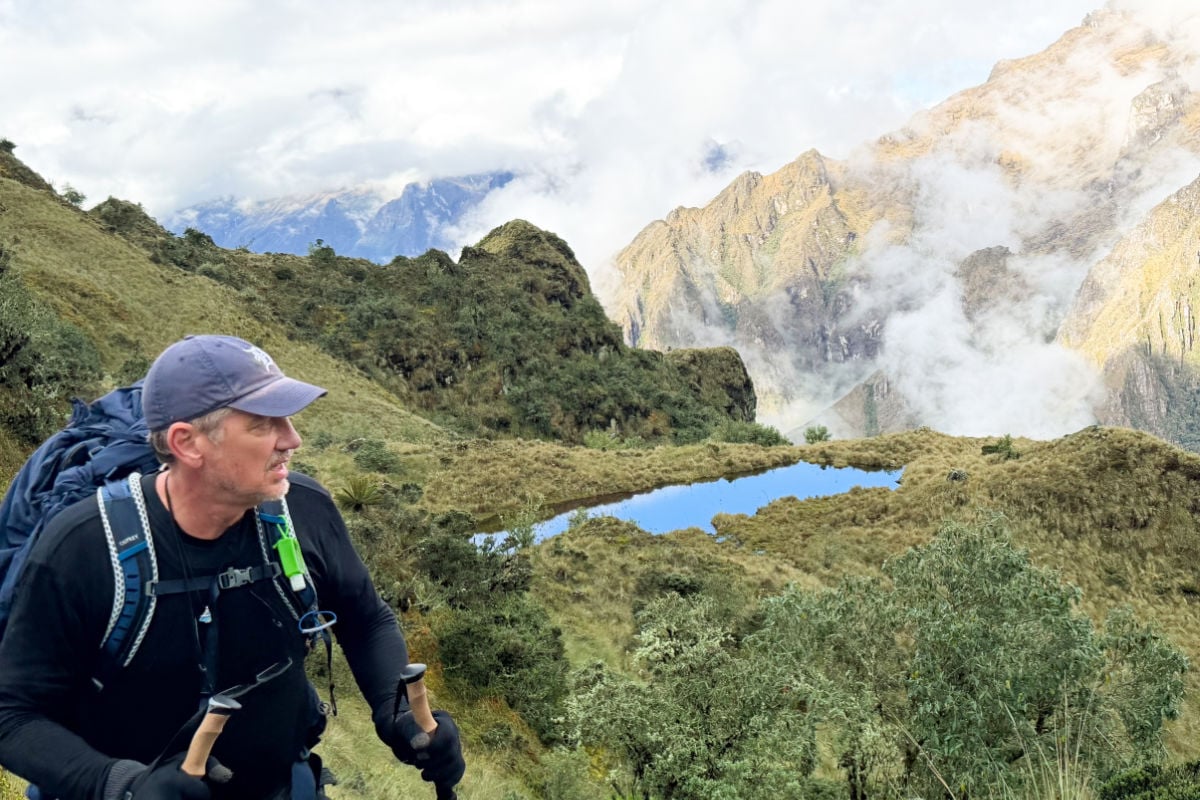
If day two is the bodily peak, day three is the visible masterpiece of the trek. You depart the barren, high-alpine scrub behind and descend straight into the dense, inexperienced Amazonian cloud forest.
The surroundings transforms utterly. The air will get thicker, moss drapes over the traditional partitions, and wild orchids poke by the cracks in the stone. You cross two extra mountain passes—Runkurakay and Phuyupatamarca—earlier than navigating a collection of extremely steep descents. This is the place trekking poles are completely obligatory to save your joints from absorbing the impression of the stone stairs.
We spent our final night time camped close to Wiñay Wayna, a wide ranging advanced of agricultural terraces plunging steeply down a mountainside. Staring out over the mist-choked valley, the trendy world felt impossibly distant.
Day 4: The Sun Gate Finale
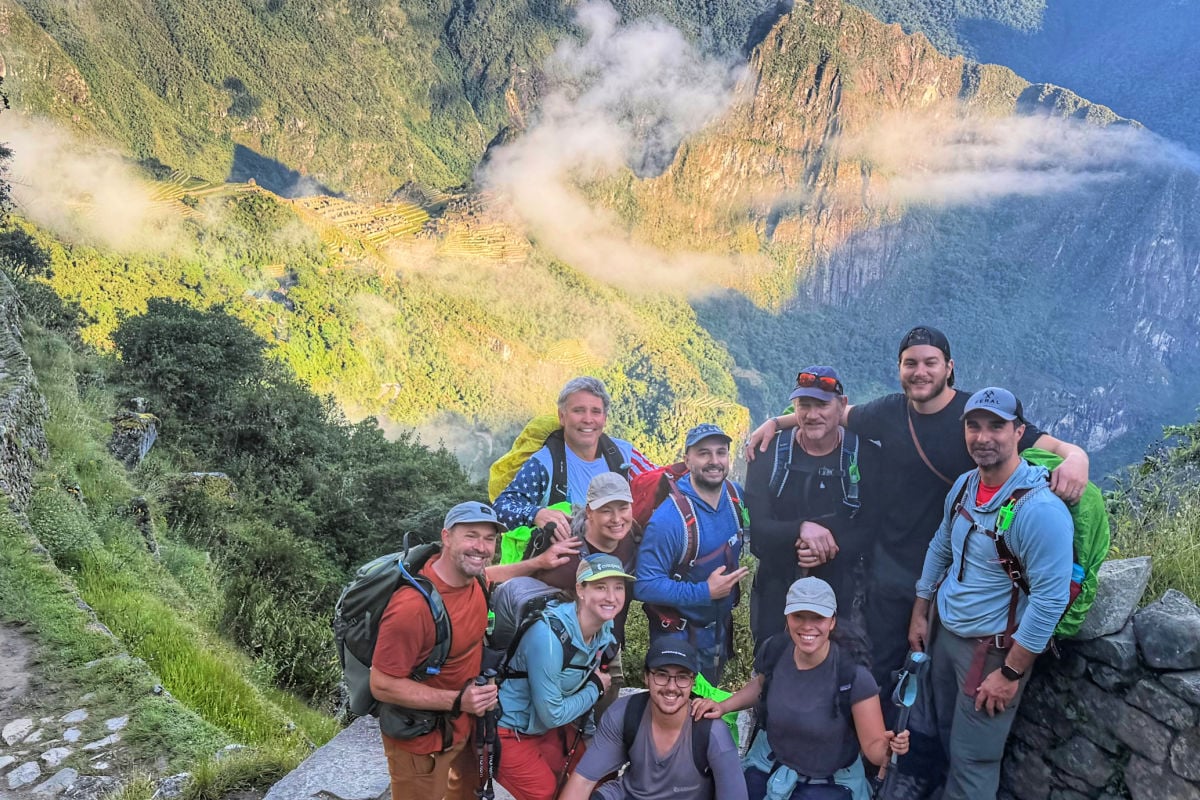
This is the day you might have been grinding for, and it begins brutally early.
- The Alpine Start: Our guides woke us up at 3:30 AM. We packed up our gear by headlamp, ate a fast breakfast, and waited in the pitch black for the ultimate checkpoint to open.
- The Monkey Steps: The ultimate push is a quick, slim hike by the jungle edge that culminates in a near-vertical wall of stone referred to as the “monkey steps,” which you actually have to scramble up utilizing your fingers and toes.
- The Reveal: At the highest of these steps sits Inti Punku—the Sun Gate.
We arrived simply because the morning fog started to half, revealing the misplaced citadel of Machu Picchu glowing in the valley under. We sat down collectively on the traditional stones, letting the morning solar heat our faces. Below us, we might see the primary buses of day-trippers arriving from the valley city of Aguas Calientes. They stepped off the bus trying contemporary and clear, however their arrival was essentially totally different from ours.
We hadn’t simply taken a practice to a viewpoint; we had lived the route that gave the town its that means. Every lung-burning step up Dead Woman’s Pass and each mile of stone underfoot had earned us that view. Sitting beside my dad in the silence of the mountains, watching the ruins reveal themselves, I knew the blisters and the exhaustion have been an affordable worth to pay for the reminiscence we simply constructed.
Essential Logistics for Your Own Trek
If you might be prepared to commerce a snug practice seat for an actual bodily problem, you want to plan forward. You can’t simply present up in Peru and begin strolling.
- Strict Permits: The Peruvian authorities points precisely 500 permits per day, which incorporates all of the guides, cooks, and porters. This leaves solely about 200 every day spots for vacationers. You should ebook with a licensed operator roughly six months in advance.
- Trekking Gear: You want well-broken-in waterproof mountain climbing boots, layers for large temperature swings, and trekking poles. Note: Poles should have rubber suggestions to stop scarring the unique Inca stones, and they’re strictly prohibited when you step foot contained in the precise Machu Picchu ruins.
- The Operator: Do your analysis and decide a good firm that treats their porters ethically. We used Inca Expert Travel, and their logistical execution—from our airport pickups to the camp meals—was flawless, letting us focus fully on the path.
Enter your e mail tackle to subscribe to Travel Off Path’s newest journey information, straight to your inbox

Source link
