
Travel Guide
Vietnam’s luxury travel sector hits $3.2B as market expands beyond major cities
Apr
Described in 2024 as a nation that has amazing natural beauty combined with world-class levels of hospitality, Vietnam has risen considerably as one among Southeast Asia’s main vacationer locations.
While it has grow to be a perennial favorite for these searching for journey and cultural experiences, the jewel of Indochina has emerged of late as a doable hub for luxury tourism inside the area.
Per an October 2025 report from Ken Research, the Vietnamese luxury tourism market is price round US$3.2 billion thanks to 5 years of regular industrial development which seems to have been little affected by the pandemic.
On a home stage, such development has been pushed by considerably larger quantities of disposable earnings among the many nation’s higher and center lessons.
At the identical time, the demand for personalised travel experiences fuelled by social media influencers has additionally pushed up the numbers of these coming to the nation for luxe lodging and locations.
But why precisely is luxury tourism booming in Vietnam and the way can the nation take advantage of out of the pattern?
What Vietnam has going for it
Hailed for being one of many hidden gems of Southeast Asia, Vietnam has lengthy taken delight in its majestic pure landscapes, the richness of its multi-ethnic tradition, as effectively as its distinctive gastronomy.
Post-COVID, Vietnam was additionally thought of the regional tourism sector’s comeback kid, regaining 98 p.c of its 2019 arrival numbers within the first quarter of 2025, significantly quicker than any of its neighbours.
The incontrovertible fact that the nation is perceived as safer than different nations inside Indochina has additionally boosted its enchantment amongst rich Chinese travellers who come to buy, dine, and revel in immersive cultural experiences.
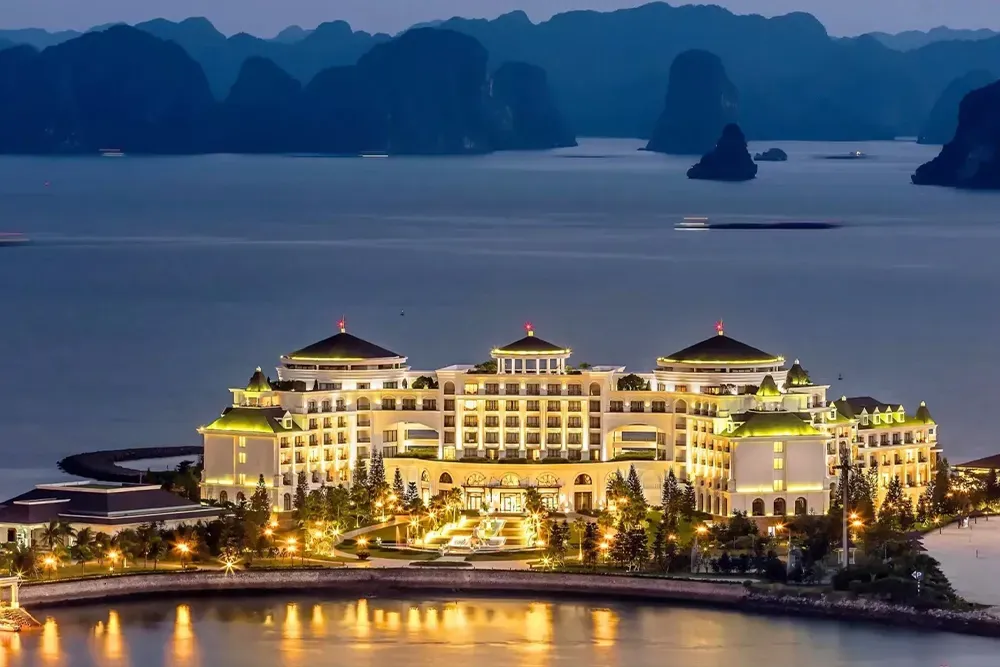
As a consequence, Vietnam has welcomed plenty of main luxury hospitality manufacturers into its borders lately; the likes of Capella, the Ritz-Carlton, JW Marriott, and Regent establishing store in emergent places like Phu Quoc and Con Dao, taking travellers away from the crowded bustle of Hanoi and Ho Chi Minh City.
Greater connectivity, particularly with airways including extra direct inroads to the nation, and the approaching opening of the brand new Long Thanh International Airport inside this yr have additionally helped; as have relaxed visa insurance policies for a number of nations.
Better transportation infrastructure, particularly on the subject of high-speed rail travel and luxury rail travel, additionally labored in Vietnam’s favour; as have its efforts in selling sustainable travel and tourism.
Making the a lot of the pattern
In which case, how can an emergent powerhouse like Vietnam take and preserve the lead on the subject of luxury tourism?
One key level of consideration is that its tourism authorities must shift from standard to personalised luxury, basically providing really distinctive experiences tailor-made to particular person preferences, particularly on the subject of gastronomic and cultural tourism that are thought of a precedence by as much as 65 p.c of overseas high-value travellers.
Shifting from sustainable to regenerative tourism additionally issues, as it offers native communities a substantial slice of the financial pie while safeguarding their heritage, surroundings, and livelihood for generations to return.
Most importantly, Vietnam must step up its recreation with regard to tourism-specific human assets by way of the next measures:
- Inclusivity coaching to get a greater understanding of the various cultural backgrounds of these travelling to Vietnam;
- Service high quality coaching to deliver workers abilities to international requirements;
- Language coaching to take down obstacles to understanding and optimum service supply; and
- Expansion of worker skill-sets to replicate expanded roles within the fields of luxury tourism and hospitality.
